Introduction to DIY Toy Kits
In 2026, the concept of play is evolving, characterized by the growing popularity of DIY (Do It Yourself) toy kits. These kits not only provide hours of entertainment but also foster creativity, critical thinking, and hands-on skills among children. With technology advancing and parents seeking more educational value from toys, DIY kits are becoming a beloved staple for families.
Why Choose DIY Toy Kits?
DIY toy kits represent a bridge between traditional play and modern education. Here are some reasons why these kits are gaining traction:
- Encourages Creativity: Children are encouraged to express their creativity by designing and building their own toys.
- Develops Problem-Solving Skills: As kids follow instructions or create their own designs, they enhance their problem-solving abilities.
- Engages Multiple Learning Styles: DIY kits cater to visual, auditory, and kinesthetic learners, making playtime effective for all children.
- Quality Family Time: Working on DIY projects can be a bonding experience for families, promoting teamwork and communication.
Popular Types of DIY Toy Kits in 2026
The variety of DIY kits available on the market in 2026 is astounding. Here are some popular categories:
1. Craft Kits
Craft kits involve activities such as sewing, painting, or building models. They often include everything needed to create a project, from materials to instructions.
2. Robotics Kits
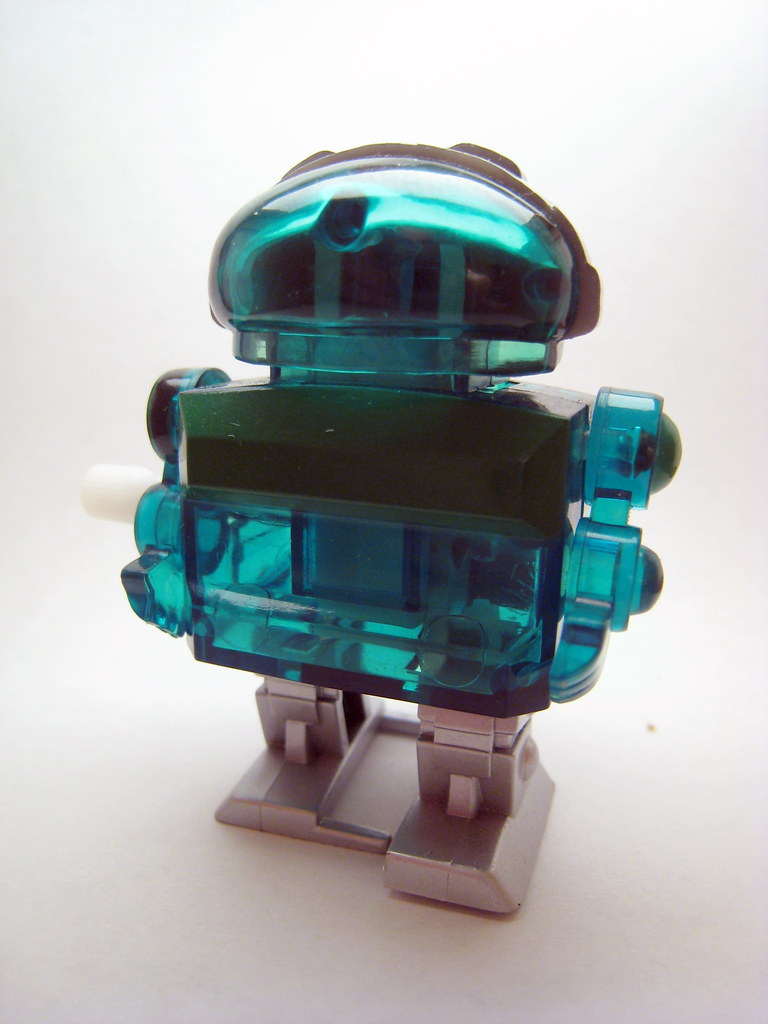
These kits enable children to build their own robots, programming them to perform various tasks. The integration of technology encourages interest in STEM (Science, Technology, Engineering, Mathematics) subjects.
3. Art and Creativity Kits
These kits focus on artistic expression, providing materials for drawing, painting, or sculpting. They help children develop their artistic skills and confidence.
4. Science Experiment Kits
These kits offer hands-on science experiments, allowing kids to engage with scientific principles in a fun and exciting way. They often cover topics like chemistry, physics, and biology.
5. Building Kits
Building kits, like those featuring magnetic tiles or blocks, encourage spatial reasoning and engineering skills. Children can create structures or designs, igniting their imagination.
The Educational Impact of DIY Toy Kits
Beyond entertainment, DIY toy kits play a vital role in education. Here’s how they contribute to a child’s development:
- Cognitive Development: As children follow instructions and work through challenges, they enhance their cognitive abilities.
- Fine Motor Skills: Manipulating small parts and tools helps improve dexterity and coordination.
- Teamwork and Communication: When children work together on DIY projects, they develop social skills and learn the value of teamwork.
Where to Find Quality DIY Toy Kits
With the surge in demand for DIY toy kits, many retailers offer a wide range of options. Here are some great places to find them:
- Online Marketplaces: Websites like Amazon and Etsy provide a vast selection of DIY kits, often with customer reviews to guide your choice.
- Local Toy Stores: Visiting a local toy store not only supports small businesses but also allows you to see the products in person.
- Craft Stores: Many craft stores have dedicated sections for DIY kits, especially those focused on crafting and art.
- Educational Supply Stores: These stores often carry STEM-related kits that are designed for educational purposes.
Tips for Choosing the Right DIY Toy Kit
Selecting the perfect DIY toy kit for your child involves considering several factors:
- Age Appropriateness: Ensure the kit is suitable for your child’s age and skill level.
- Interests: Choose a kit that aligns with your child’s interests, whether it’s art, science, or building.
- Quality of Materials: Look for kits made from safe, durable materials, especially for younger children.
- Instructions: Verify that the kit comes with clear, easy-to-follow instructions to enhance the building experience.
Conclusion
As we navigate through 2026, DIY toy kits are establishing themselves as a significant part of the toy landscape, blending play with education and creativity. They provide children with opportunities to learn and grow while having fun. Whether your child is interested in arts and crafts, robotics, or science, there’s a DIY toy kit out there to inspire their next adventure. So, consider bringing a DIY kit into your home this year and watch as your child’s imagination unfolds!