Introduction
As we move further into 2026, the world of toys continues to evolve dramatically, reflecting our diverse cultures and unique traditions. Play is a universal language, transcending boundaries and creating connections. This article delves into various toy types from around the globe, highlighting how different cultures approach play and the significance behind their toys.
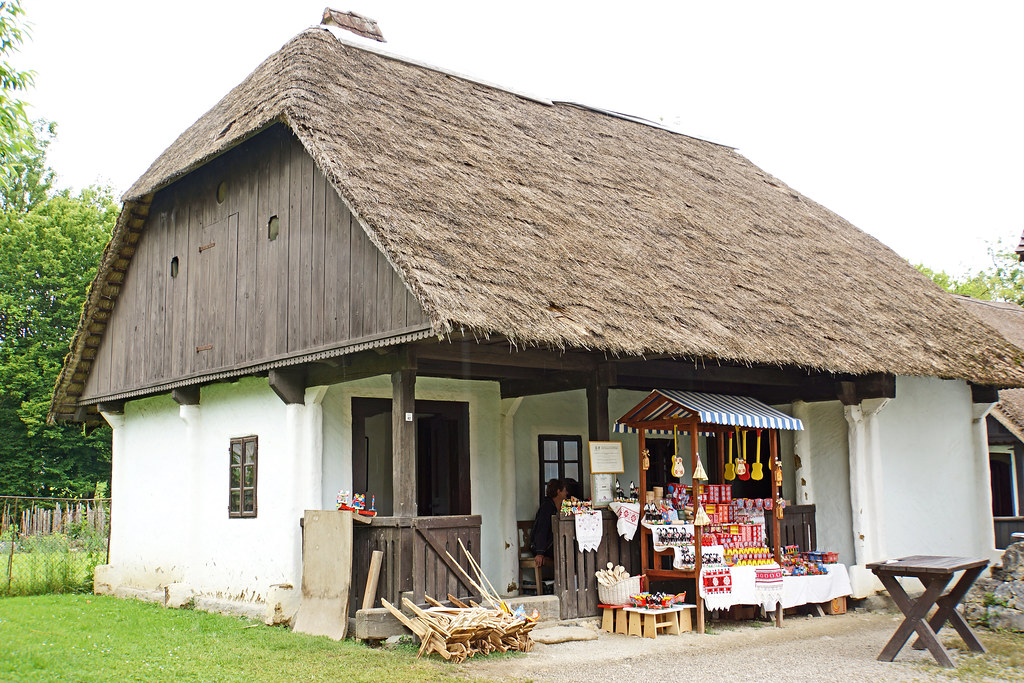
The Global Toy Landscape
Toys are not just playthings; they are a representation of a culture’s values, traditions, and social practices. Understanding these diverse expressions can deepen our appreciation for creativity and learning through play.
1. Traditional Toys
In many cultures, traditional toys have been passed down through generations. These toys often reflect local materials and craftsmanship.
- Wooden Toys: Common in cultures such as Scandinavian and African, wooden toys are often handcrafted, promoting both sustainability and artistry.
- Textile Dolls: From the hand-stitched rag dolls in the United States to Japanese Kokeshi dolls, textile dolls serve as both toys and cultural artifacts.
2. Innovative Modern Toys
The digital age has led to the creation of toys that incorporate technology while still engaging children in imaginative play.
- STEM Kits: These educational toys, promoting Science, Technology, Engineering, and Mathematics, are designed to spark curiosity and innovation from a young age.
- Augmented Reality Toys: These toys combine physical play with digital interaction, allowing children to explore new worlds while learning.
3. Eco-Friendly Options
As sustainability becomes more important, eco-friendly toys are gaining popularity, appealing to parents who are conscious about their environmental impact.
- Bamboo Toys: Growing in popularity, bamboo toys are not only biodegradable but also durable and safe for children.
- Recycled Material Toys: Brands are increasingly using recycled plastics and materials to create safe and fun toys, supporting both creativity and the planet.
Regional Toy Traditions
Each region of the world boasts unique toys that reflect their cultural heritage. Here is a closer look at some regions and their beloved playthings.
1. Latin America
Latin American cultures feature vibrant toys, often with bold colors and intricate designs.
- Piñatas: Traditionally made for celebrations, piñatas are filled with treats, making them a fun and interactive way to celebrate.
- Handcrafted Figurines: From Peru’s hand-painted toys to Mexico’s alebrijes, these figurines are often used in traditional games and storytelling.
2. Asia
Asian toys often combine play with cultural education.
- Origami Kits: These promote fine motor skills and creativity while introducing children to the art of paper folding.
- Chinese Diabolo: A traditional skill toy that encourages coordination and dexterity.
3. Europe
European countries have a rich history of toy making.
- Nutcracker dolls: Originating from Germany, these decorative toys serve as both play and holiday décor.
- Marionettes: Italian puppetry remains popular, blending art and performance with play.
The Importance of Play in Cultural Education
Understanding global toys is crucial for fostering cultural awareness and appreciation among children. Engaging with toys from different cultures allows children to see the world through various lenses, promoting empathy and inclusivity.
Conclusion
In 2026, the toy industry celebrates not just innovation and technology but also the rich tapestry of cultures represented through play. By encouraging children to explore toys from diverse backgrounds, we nurture a generation that values creativity, understanding, and global connections in their play experience.