Understanding Emotional Development Through Play
Play is not just a way for children to pass time; it is a fundamental part of their emotional and psychological development. In 2026, the importance of emotional intelligence in children is more recognized than ever, leading to a growing interest in toys that support this aspect of development.
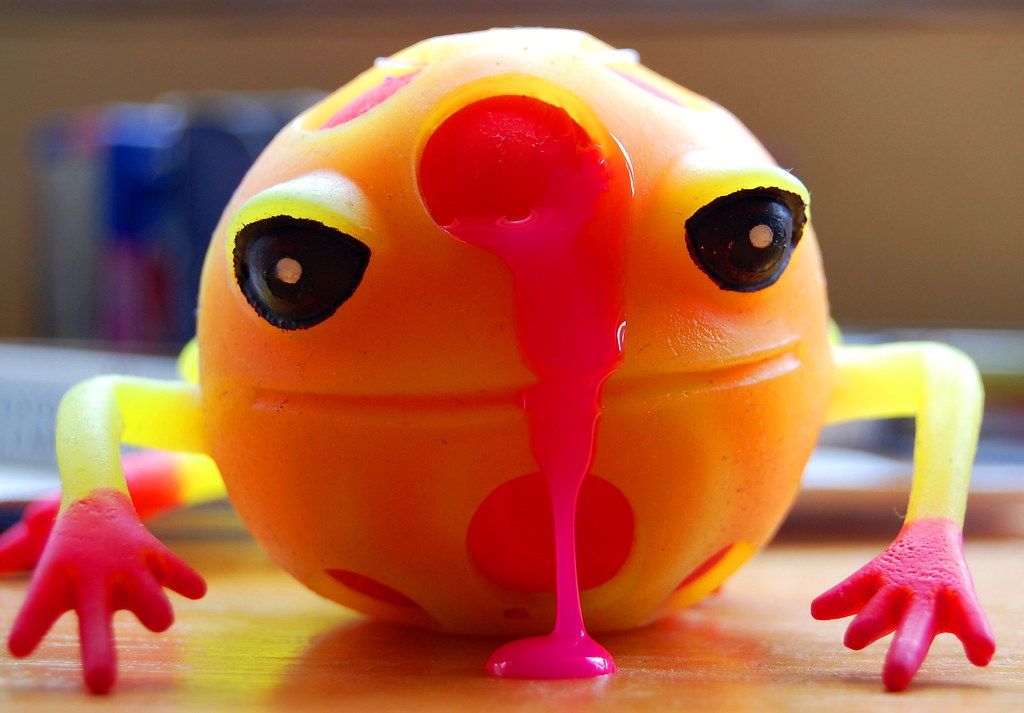
The Role of Toys in Emotion Regulation
Toys can act as tools for children to express and manage their feelings. From plush animals that provide comfort to dolls that allow for role-playing different social scenarios, toys can help children navigate complex emotions.
- Comfort Items: Stuffed animals and blankets can serve as a source of security for children, helping them cope with anxiety and fear.
- Role-Playing Toys: Dolls and action figures enable children to explore their feelings and practice empathy by reenacting different social situations.
- Creative Expression: Art-based toys and kits encourage children to express their feelings creatively, which is crucial for emotional processing.
Enhancing Social Skills Through Cooperative Play
Many modern toys encourage collaboration and teamwork, essential skills for emotional and social development. In 2026, cooperative play is being recognized as a vital component of children’s interactions.
- Games That Build Teamwork: Board games designed for multiple players can teach children how to work together towards a common goal, enhancing their social skills.
- STEM Kits: Science, technology, engineering, and math kits that require group participation are popular in today’s toy market, fostering an environment where children learn to collaborate and communicate.
The Power of Narrative Play
Narrative play, where children create and enact stories using their toys, is another effective method for emotional development. This type of play allows children to project their feelings and experiences onto characters, giving them a safe space to explore their emotions.
In 2026, toys that facilitate narrative play are gaining traction:
- Storytelling Dolls: Dolls equipped with story prompts can help children develop narrative skills and provide opportunities for emotional exploration.
- Interactive Playsets: Playsets with immersive environments encourage children to create their own stories, promoting creativity and emotional expression.
The Impact of Diverse Representation in Toys
Representation matters in toys. Children benefit from seeing a variety of characters that reflect diverse backgrounds, abilities, and experiences. This helps foster acceptance and empathy, encouraging emotional intelligence. Also read: WAK89 for more insights.
In 2026, toy manufacturers are focused on creating inclusive products:
- Diversity in Dolls: Dolls representing various ethnicities, body types, and abilities allow children to see themselves and others in their play.
- Cultural Playsets: Toys that reflect various cultures promote appreciation and understanding of different ways of life.
The Future of Emotionally Supportive Toys
Looking ahead, the toy industry is projected to continue evolving to meet the emotional needs of children. As parents and educators increasingly value emotional intelligence, toys that support this development will be in high demand.
Technological Innovations in Emotional Support Toys
In 2026, technology is being integrated thoughtfully into toys designed to support emotional development:
- AI Companions: Artificial intelligence in toys can sense a child’s mood and respond appropriately, offering companionship and support.
- Apps for Emotional Learning: Companion apps for toys that provide guided play scenarios can help children navigate their emotions more effectively.
Encouraging Parental Engagement
Finally, toys that encourage parental involvement in play can significantly boost emotional development. In 2026, there are increasing numbers of products designed with this in mind:
- Parent-Child Activity Kits: Kits that involve both parents and children in activities can enhance bonding and facilitate emotional discussions.
- Interactive Storybooks: Books that parents and children can read together add a new dimension to storytelling, encouraging emotional reflection and dialogue.
Conclusion
The interplay between toys and emotional development is becoming increasingly recognized in our evolving understanding of childhood education and psychology. In 2026, the toy industry is responding with innovative solutions that cater to children’s emotional needs, fostering a new generation that values empathy, creativity, and emotional intelligence. By choosing toys that support these developmental goals, parents can significantly impact their children’s emotional growth.