Understanding Child Development Through Play
Toys play a crucial role in the development of children, often being the tools through which they learn and engage with their environment. As we move deeper into 2026, it’s essential to explore how various types of toys cater to different aspects of a child’s growth, including cognitive skills, emotional intelligence, and social interaction.
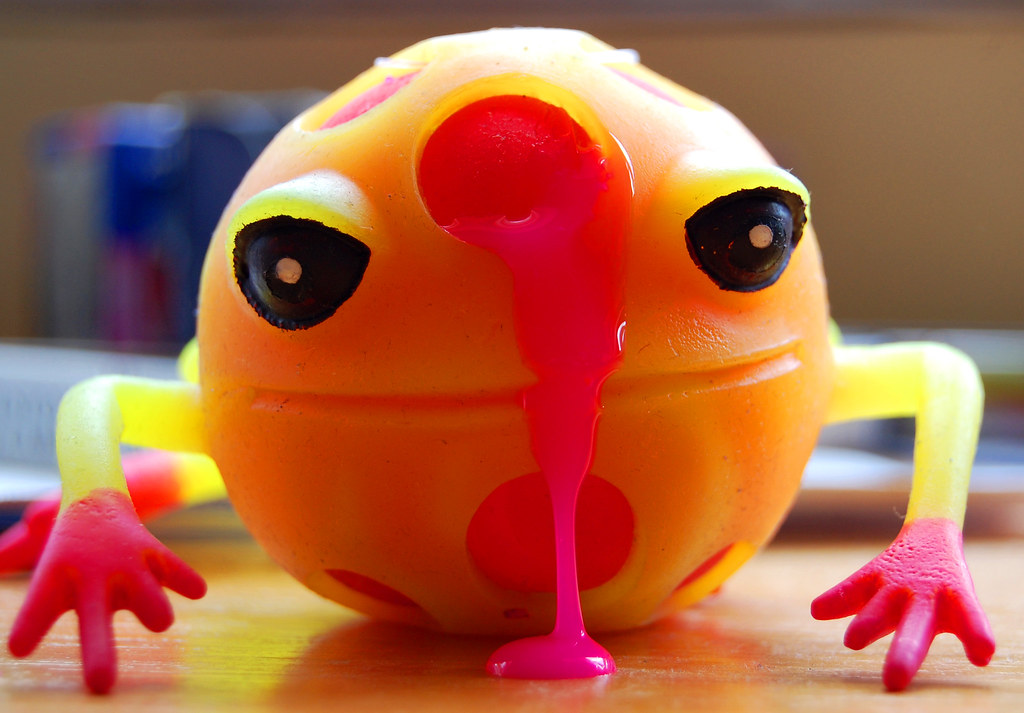
Cognitive Development: The Role of Educational Toys
In recent years, the market has seen a surge in educational toys designed to stimulate cognitive development. These toys are meticulously crafted to challenge children’s problem-solving skills and promote critical thinking.
- STEM Toys: Focusing on science, technology, engineering, and mathematics, STEM toys help children grasp complex concepts through hands-on learning.
- Counting and Sorting Games: Toys that incorporate counting and sorting enhance numerical understanding and organizational skills from a young age.
- Creative Building Sets: Building blocks and construction kits encourage spatial reasoning, logical thought processes, and creativity.
Choosing the Right Educational Toys
Selecting the right educational toys can be overwhelming. Here are some tips for parents:
- Look for toys that align with your child’s interests.
- Ensure the toys are age-appropriate to maintain engagement.
- Balance between structured learning toys and free-play options to foster creativity.
Emotional Intelligence: Nurturing Feelings Through Play
Toys can also play an instrumental role in helping children develop emotional intelligence. Dolls, action figures, and role-playing sets allow children to express feelings and emulate real-world scenarios.
- Role-Playing Toys: These toys encourage empathy and understanding by allowing children to step into different roles and perspectives.
- Art Supplies: Creative activities help children process their emotions and express themselves visually.
- Puppets and Plush Toys: Using these toys in storytelling can help children articulate feelings and navigate complex emotions.
How Parents Can Foster Emotional Growth
To enhance emotional development through toys, parents can:
- Engage in playtime with their children, discussing feelings and scenarios that arise.
- Encourage storytelling and imaginative play, allowing children to work through emotions.
- Provide a safe space for emotional expression through art and creativity.
Social Skills: Building Connections Through Collaborative Toys
Social interaction is a pivotal part of childhood development, and toys can facilitate this process. Toys that require teamwork and cooperation foster communication and interpersonal skills.
- Group Games: Board games and team-based challenges promote sharing, negotiation, and teamwork.
- Outdoor Play Equipment: Activities like playgrounds and sports gear encourage children to interact and develop friendships.
- Community-Based Toys: Toys that promote group activities can help children build a sense of community.
Tips for Promoting Social Skills Through Toys
Parents can encourage social development by:
- Setting up playdates with a variety of children to enhance social interaction.
- Encouraging group play and emphasizing teamwork in games.
- Modeling effective communication strategies during playtime.
Safety Considerations for Toys in 2026
As the toy industry evolves, safety remains a top priority. Manufacturers are increasingly focusing on ensuring that toys are made from non-toxic materials and are suitable for various age groups.
- Quality Assurance: Always check for safety certifications and adhere to age guidelines.
- Regular Inspections: Parents should routinely examine toys for wear and tear to ensure continued safety.
- Awareness of Recalls: Stay informed about product recalls to prevent hazards.
The Future of Play: Toys as Tools for Growth
The landscape of play is rapidly changing, yet the core impact of toys on child development remains constant. By choosing the right toys, parents can support their children through critical developmental stages, ensuring they grow into well-rounded individuals.
As we continue to innovate and adapt in 2026, let’s embrace the power of toys as essential tools for learning and development.