Introduction to Toy Safety
As we step into 2026, the world of toys continues to evolve at a rapid pace, introducing a plethora of new designs and innovations. However, with this growth comes the crucial responsibility of ensuring that toys are safe for children. In this article, we will delve into the essential aspects of toy safety, highlighting what parents and caregivers should look for when selecting toys for their little ones.
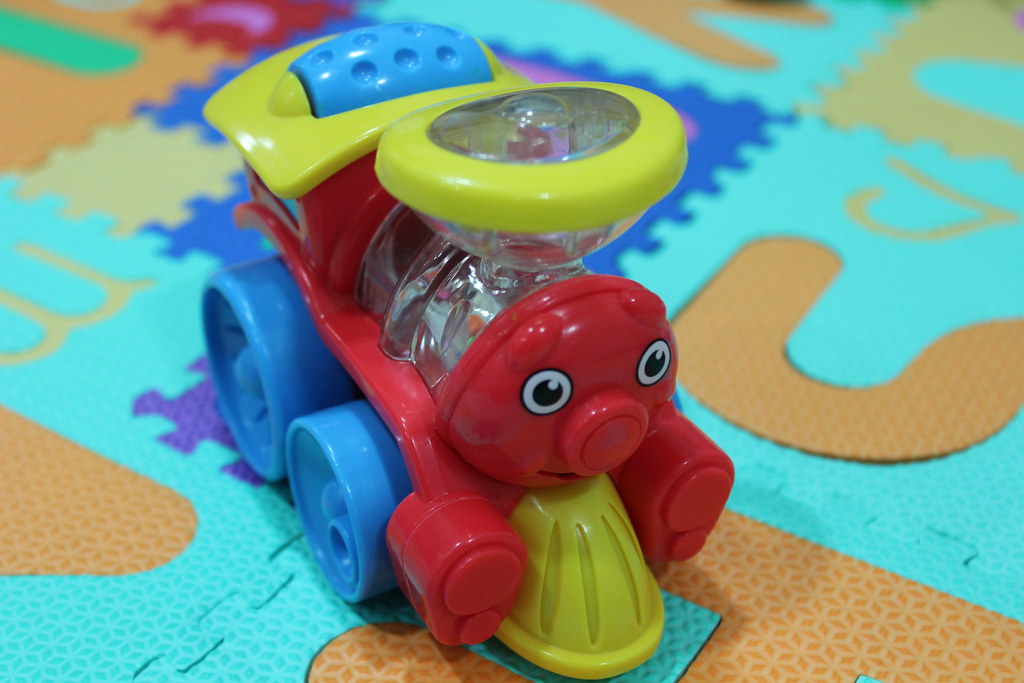
The Importance of Toy Safety
Safety should always be a top priority when it comes to children’s toys. According to the Consumer Product Safety Commission (CPSC), thousands of children are treated in emergency rooms each year due to toy-related injuries. Understanding toy safety can help prevent these accidents and keep children safe as they explore and play.
Understanding Toy Ratings and Certifications
When choosing toys, it is important to pay attention to safety ratings and certifications. Here are some key points to consider:
- ASTM International Standards: Toys that meet ASTM standards have undergone rigorous testing to ensure they are safe for children.
- CE Marking: Products bearing the CE mark comply with European safety standards, indicating they are safe for use in Europe.
- Non-Toxic Materials: Look for toys made from BPA-free plastics or organic materials to ensure they are safe for children to handle.
Age Appropriateness
Every toy comes with an age recommendation, which is crucial for parents to consider. Here’s why age appropriateness matters:
- Developmental Suitability: Toys designed for specific age groups involve appropriate challenges and engage children at their developmental level.
- Choking Hazards: Small parts can pose choking risks for younger children. Always check the packaging for age warnings.
Common Toy Safety Concerns
As with any product, certain design aspects can raise safety concerns in toys. Being aware of these can help parents make informed decisions:
Sharp Edges and Points
Toys with sharp edges or points can lead to cuts and injuries. Always inspect toys for rough surfaces and eliminate any potential hazards before allowing children to play with them.
Small Parts
As mentioned earlier, small parts can be a choking hazard. Check for toys that are recommended for age groups that do not include small children to avoid any risk.
Durability and Construction Quality
Invest in toys that are built to last. Flimsy toys can break easily, creating sharp edges or small pieces that could harm children. Look for toys made of high-quality materials that withstand rough play.
Best Practices for Toy Safety
To ensure a safe play environment, here are some best practices parents can follow:
- Regularly Inspect Toys: Check toys frequently for wear and tear. Replace any broken toys immediately.
- Supervise Playtime: Always monitor children during playtime, especially with new toys.
- Follow Instructions: Adhere to the manufacturer’s guidelines regarding assembly, maintenance, and safety recommendations.
Popular Safe Toy Categories in 2026
Now that we’ve covered safety fundamentals, let’s explore some of the popular toy categories that emphasize safety in 2026:
Educational Toys
These toys focus on skill development while ensuring safety:
- STEM Kits: Encourage science, technology, engineering, and math learning in a safe manner.
- Building Blocks: Foster creativity and motor skills without choking hazards if appropriately sized.
Outdoor Play Equipment
Outdoor toys promote physical activity:
- Inflatable Play Structures: Designed with safety features, these are excellent for kids to engage physically.
- Ride-On Toys: Look for models that come with safety harnesses and are made from durable materials.
Creative Arts and Crafts
Arts and crafts can boost creativity:
- Non-Toxic Art Supplies: Ensure painting and crafting materials are free from harmful chemicals.
- Constructive Play Sets: Kits that enable kids to build, assemble, and create their own designs, enhancing creativity while remaining safe.
Conclusion
As we embrace 2026, prioritizing toy safety can make playtime enjoyable and secure for children. By understanding safety ratings, age appropriateness, common concerns, and best practices, parents and caregivers can create a safe play environment that fosters creativity and learning. Remember, safe toys not only protect children from injuries but also encourage healthy development through play.