Introduction to Modern Toy Design
The toy industry has experienced remarkable transformations over the years, reflecting the changing preferences and needs of children and parents alike. As we reach the end of 2026, it’s fascinating to explore the latest trends in toy design, which highlight creativity, inclusivity, and sustainability.
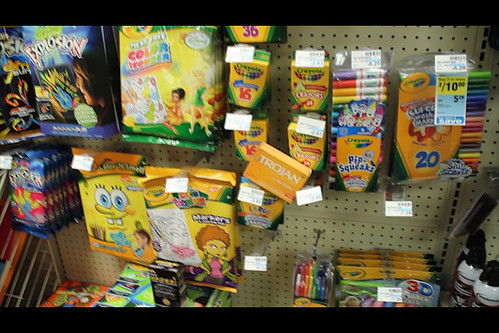
Key Trends in Toy Design for 2026
1. Inclusivity in Toys
Inclusivity has become a cornerstone in toy design, making sure that every child, regardless of their background or abilities, can find joy in play. This year, brands are focusing on creating toys that represent diverse cultures and abilities.
- Representation: Dolls and action figures that reflect a range of ethnicities, body types, and disabilities.
- Adaptive Toys: Toys engineered for children with physical challenges, ensuring play is accessible to all.
2. Eco-Friendly and Sustainable Materials
As environmental awareness continues to grow, eco-friendly toys are making a major splash in 2026. Parents are increasingly leaning towards purchasing toys that are made from sustainable materials.
- Biodegradable Plastics: Many manufacturers are developing toys using biodegradable options to minimize environmental impact.
- Recycled Materials: Toys created from upcycled products are becoming popular, combining creativity with sustainability.
3. Tech-Integrated Toys
The incorporation of technology in toys is not new, but in 2026, we are witnessing more sophisticated integrations that enhance interactive play without overshadowing traditional methods.
- Augmented Reality Experiences: Many toys now come with AR features that make playtime more immersive and educational.
- Smart Toys: Products that can connect to apps or devices, providing parents with insights on their child’s play habits.
4. STEAM-Focused Toys
STEAM (Science, Technology, Engineering, Arts, and Mathematics) education is gaining traction, and toys that promote these subjects are increasingly popular among parents looking to foster early learning.
- Hands-On Learning Kits: Interactive kits that encourage experimentation in science and engineering.
- Artistic Expression Tools: Toys that allow children to explore their artistic side, from painting to digital design.
5. Subscription Toys and Rental Services
With the rise of the sharing economy, subscription-based toy services are booming. This model allows families to access a variety of toys without the clutter of ownership.
- Monthly Subscription Boxes: Curated toy selections that keep playtime fresh and exciting for kids.
- Toy Rentals: Services that allow families to rent toys for a specific period, offering flexibility and sustainability.
The Importance of Play in Development
Play is an essential aspect of childhood that contributes significantly to a child’s development. As we explore these trends, it’s crucial to remember the role toys play in fostering important skills, including:
- Social Skills: Many toys are designed to encourage cooperative play, helping children learn to share and collaborate.
- Cognitive Development: Toys that challenge a child’s thinking promote problem-solving abilities and critical thinking.
- Emotional Intelligence: Role-playing toys help children understand emotions and develop empathy.
Conclusion: The Future of Play
The landscape of toy design is evolving with a focus on inclusivity, sustainability, and technological advancement. As we continue into 2026 and beyond, staying engaged with these trends will ensure that children have access to toys that are not only fun but also enriching and educational. Embracing these changes not only benefits our children but also contributes to a more sustainable and inclusive world for future generations.