The Growing Demand for Eco-Friendly Toys
As we navigate through 2026, the landscape of the toy industry is witnessing a significant shift towards sustainability. Parents today are more eco-conscious than ever, seeking toys that not only entertain their children but also align with their values of environmental responsibility.
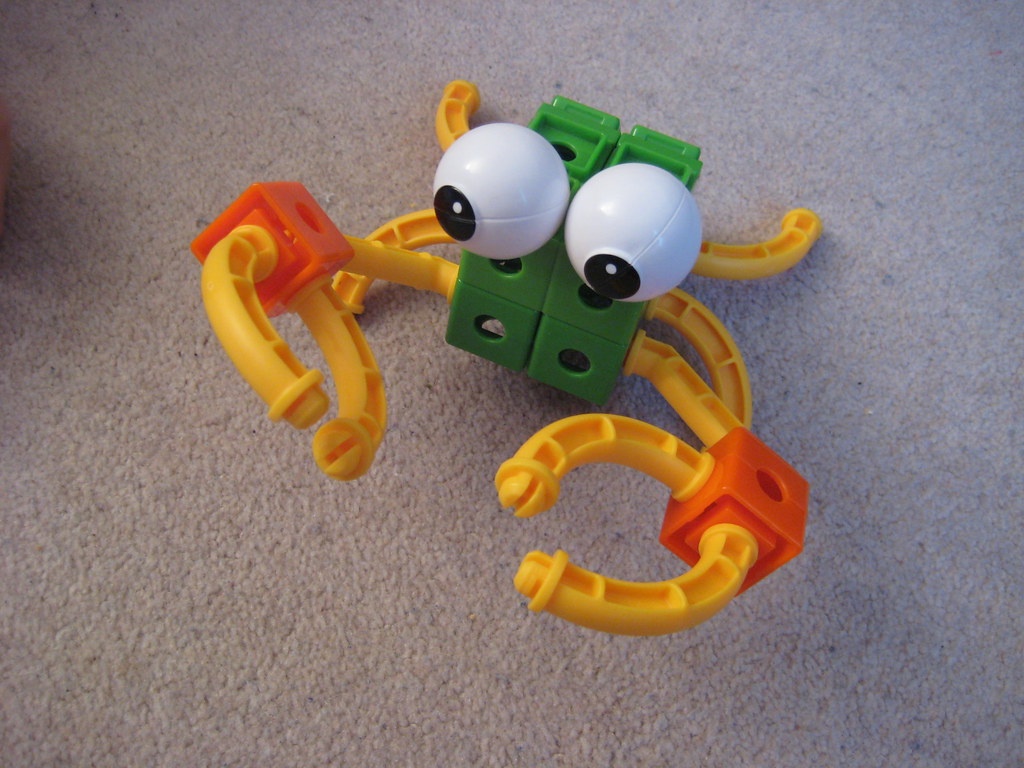
Why Choose Eco-Friendly Toys?
Eco-friendly toys are made from natural, organic, or recycled materials, minimizing harmful effects on the environment. Here are a few reasons why choosing eco-friendly toys is beneficial:
- Healthier for Children: Many conventional toys contain toxic chemicals that could pose health risks. Eco-friendly alternatives use safer materials.
- Environmental Impact: Sustainable toys are often made from renewable resources, reducing waste and conserving energy.
- Educational Value: Many eco-friendly toys are designed to be educational, teaching children about nature and sustainability.
Popular Eco-Friendly Toy Trends in 2026
In 2026, several exciting trends are shaping the eco-friendly toy market:
1. Biodegradable Materials
Manufacturers are now creating toys from biodegradable materials that break down naturally without harming the environment. Bioplastics, derived from renewable resources like corn starch, are becoming increasingly popular.
2. Upcycled Toys
Upcycling involves taking discarded materials and transforming them into new products. Toy makers are creatively repurposing waste materials into fun and engaging toys, reducing landfill contributions.
3. Minimalist Designs
Minimalism is on the rise, with parents preferring simple, open-ended toys that encourage creativity and imagination. These typically use fewer materials and have a lower environmental impact.
4. Educational Eco-Toys
Toys that teach children about sustainability, recycling, and environmental stewardship are gaining popularity. These toys foster awareness and responsibility from a young age.
How to Identify Eco-Friendly Toys
When shopping for eco-friendly toys, consider these tips:
- Look for Certifications: Certifications like ASTM, EN71, or toys explicitly labeled as eco-friendly can guide parents in selecting safe options.
- Research Materials: Understand the materials used to create the toys. Look for products made from wood, organic cotton, or recycled materials.
- Check for Origin: Consider where the toy is made, as local products often have a lower carbon footprint.
Benefits of Eco-Friendly Toys for Children
Beyond environmental benefits, eco-friendly toys also offer several advantages for children’s development:
1. Encouragement of Creative Play
Many eco-friendly toys are designed to be versatile, encouraging imaginative play. This open-ended nature allows children to create their narratives.
2. Development of Fine Motor Skills
Toys made from natural materials often come in various textures and shapes, aiding in the development of fine motor skills as children manipulate them.
3. Promoting Sustainability Awareness
Using eco-friendly toys helps children understand the importance of taking care of the planet. They learn valuable lessons about sustainability and environmental stewardship.
Conclusion: A Sustainable Choice for Future Generations
With the increasing awareness of environmental issues, eco-friendly toys are not just a trend but a movement towards a sustainable future. By choosing these toys, parents can instill values of responsibility and care for the planet in their children, ensuring a healthier environment for generations to come. As we embrace the potential of eco-friendly toys in 2026, we create a world where play and sustainability go hand in hand.