The Power of Play: How Toys Foster Lifelong Learning
In today’s fast-paced world, where technology often dominates our lives, the importance of play through toys cannot be understated. Toys are not merely for entertainment; they serve as vital tools for learning and development, shaping the minds of children from a young age. This article explores how various toys can foster lifelong learning in children, encouraging critical thinking, creativity, and social interaction.
The Role of Toys in Cognitive Development
Cognitive development is fundamental in early childhood, and toys play a crucial role in this process. Various types of toys help children enhance their problem-solving skills, creativity, and intellectual growth. Here are some categories of toys that significantly contribute to cognitive development:
- Building Blocks: These classic toys encourage spatial reasoning and creativity. Children learn about balance, structure, and gravity while having fun constructing various designs.
- Puzzles: Solving puzzles helps improve memory and enhances logical thinking. The challenge of piecing together a picture encourages perseverance and focus.
- STEM Toys: Science, Technology, Engineering, and Math (STEM) toys have gained popularity for their educational value. They promote curiosity and interest in subjects that are essential for future career opportunities.
Social Skills Development Through Play
Playing with toys also facilitates the development of social skills. When children play together, they learn to communicate, share, and collaborate. Here are some ways toys contribute to social skills:
- Role-Playing Toys: Items like dolls, action figures, and playsets allow children to engage in imaginative play, where they can act out scenarios, explore relationships, and learn empathy.
- Board Games: Games that involve multiple players teach children about teamwork, taking turns, and sportsmanship. They also enhance negotiation skills and strategic thinking.
- Team Sports Equipment: Toys that encourage physical activity, such as balls and frisbees, foster cooperation and team spirit among peers.
Encouraging Emotional Intelligence Through Toys
Emotional intelligence is vital for navigating social interactions throughout life, and toys can play a significant role in its development. Here’s how:
- Emotion-Focused Toys: Stuffed animals and dolls often serve as comforting companions. Children can practice their emotional responses and develop empathy by caring for these toys.
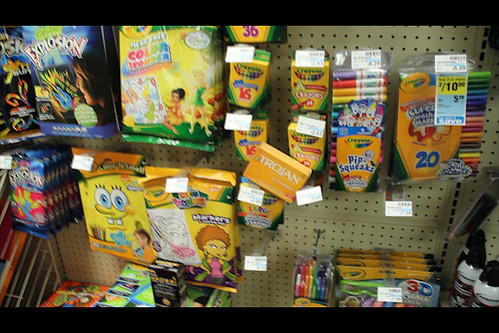
- Art Supplies: Creative play with art supplies allows children to express their feelings and thoughts, fostering emotional awareness and communication.
The Influence of Technology on Toy Development
The integration of technology into toys has transformed how children learn and play. While some educators express concerns about excessive screen time, the right technological toys can provide educational benefits:
- Interactive Learning Toys: Many modern toys incorporate apps that provide an engaging learning environment. These toys often adapt to individual learning paces, ensuring children stay engaged and challenged.
- Augmented Reality Toys: AR toys can blend physical and digital play, expanding the ways children can learn and interact with their environment. They encourage exploration and curiosity.
Choosing the Right Toys for Lifelong Learning
To foster lifelong learning through play, it’s essential for parents and caregivers to choose age-appropriate toys that align with their children’s interests and developmental stages. Here are some tips for selecting the right toys:
- Consider Educational Value: Look for toys that challenge kids intellectually and promote creativity.
- Encourage Open-Ended Play: Choose toys that can be used in various ways to stimulate imagination and innovation.
- Limit Screen Time: Opt for more tactile, hands-on toys that encourage active engagement rather than passive consumption.
Conclusion
Toys are more than just playthings; they are essential tools in shaping our future leaders and thinkers. By selecting the right toys, we can create an environment that fosters lifelong learning and development. In 2026 and beyond, let us continue to embrace the power of play and ensure that our children have access to toys that not only entertain but also educate and inspire.