Introduction
As we navigate through 2026, the world of toys continues to evolve, offering more than just mere entertainment. Toys play a pivotal role in children’s social development, helping them build relationships, communicate effectively, and understand social cues. In this article, we’ll explore how different types of toys contribute to social skills, and why fostering these connections is essential in today’s interconnected world.
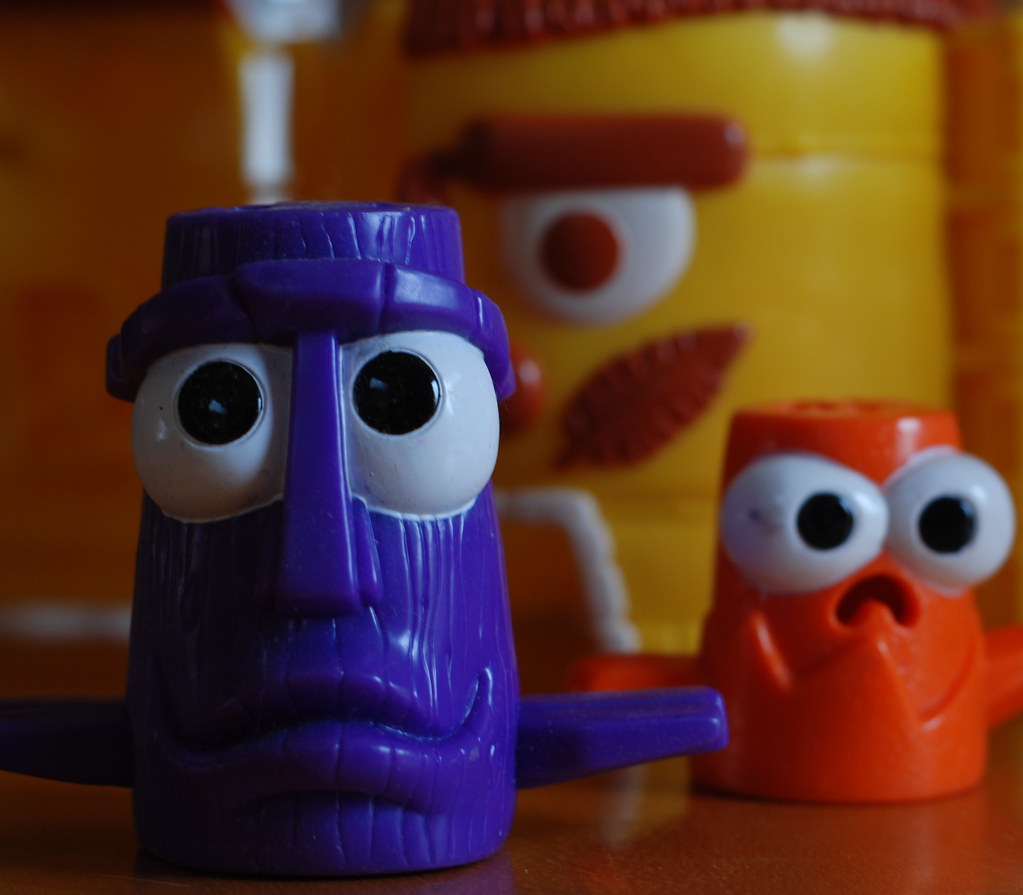
The Importance of Social Development
Social development is crucial during childhood as it lays the groundwork for future interactions and relationships. Children learn how to share, cooperate, and empathize through play. Toys, as tools for interaction, significantly influence how children develop these skills. Understanding the benefits of toys in social development can guide parents and caregivers in selecting the right options for their children.
The Role of Collaborative Play
Collaborative play occurs when children engage in play together, often using toys that encourage teamwork. Here are some types of toys that foster collaborative play:
- Board Games: Games that require multiple players promote communication and strategy development.
- Building Sets: Toys like LEGO encourage children to work together to create structures, fostering teamwork and problem-solving skills.
- Outdoor Toys: Items such as balls or frisbees encourage children to play together in groups, enhancing their social interactions.
Toys That Encourage Role-Playing
Role-playing toys allow children to step into different characters and scenarios, teaching them about empathy and perspective-taking. This kind of play is vital for social development. Examples include: Also read: ajo89 for more insights.
- Dolls and Action Figures: These toys enable children to act out various social situations, helping them understand diverse perspectives.
- Dress-Up Costumes: Costumes encourage imaginative play where children can embody different roles, enhancing their understanding of social dynamics.
Choosing Toys for Social Development
When selecting toys aimed at boosting social skills, consider the following factors:
- Multiplayer Options: Choose toys designed for more than one player to encourage interaction.
- Age Appropriateness: Select toys that suit your child’s age group, ensuring they are suitable for their developmental stage.
- Inclusivity: Look for toys that represent diverse cultures and communities, promoting inclusiveness and understanding.
Engaging with Technology
While there are concerns about excessive screen time, technology can also play a role in enhancing social skills. Many interactive toys integrate technology to create collaborative experiences. For instance:
- Online Multiplayer Games: Games that allow children to play with friends or family over the internet can teach valuable social skills, including communication and cooperation.
- Interactive Robots: These can foster teamwork as children learn to program or control the robot together.
Parental Involvement in Play
Parents and caregivers play an essential role in facilitating social development through toys. Here are some ways to enhance children’s play experiences:
- Participate in Play: Join your child during playtime to model positive social interactions.
- Encourage Group Play: Organize playdates or group activities to provide children with opportunities to engage with peers.
- Discuss Social Scenarios: After play, talk to your child about what they learned regarding social interactions.
Conclusion
As we progress further into 2026, the role of toys in facilitating social development becomes increasingly significant. By choosing toys that promote collaborative and imaginative play, parents can provide their children with the tools necessary for building strong social skills. The connections formed through play not only benefit children today but also prepare them for a more interconnected future.