The Transformation of Toys: Embracing Change in 2026
As we step into 2026, the toy industry continues to evolve, driven by technological advancements, changing cultural norms, and a heightened awareness of sustainability. Toys are no longer just simple objects for play; they are complex tools that facilitate learning, creativity, and emotional growth.
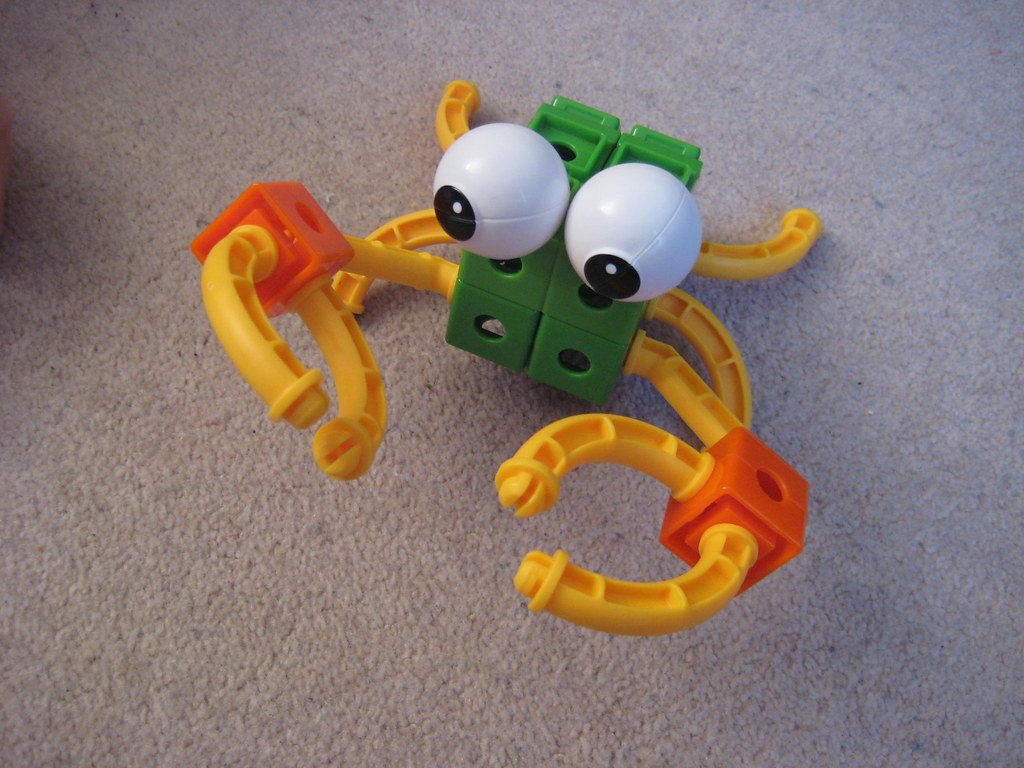
The Importance of Diverse Play Experiences
In today’s world, children are exposed to a multitude of play experiences that cater to different interests and developmental needs. Parents and educators are increasingly recognizing that play is a vital component of childhood, and choosing the right toys can significantly influence a child’s growth.
- Cognitive Development: Toys that challenge children intellectually are in high demand. Puzzles, building sets, and coding toys stimulate critical thinking and problem-solving skills.
- Physical Activity: With the rise of sedentary lifestyles, outdoor toys that encourage active play, such as balancing scooters and climbing structures, are becoming more popular.
- Social Interaction: Collaborative games and group-play toys are essential in helping children develop social skills and learn the importance of teamwork.
Technology-Driven Toys: Balancing Innovation and Play
Technology has revolutionized the toy industry, introducing interactive and digital elements that engage children in new ways. Smart toys, augmented reality games, and robotic companions are trending in 2026. However, it is crucial for parents to find a balance between tech-fueled play and traditional toys that foster creativity without screens.
Embracing Sustainability: Eco-Friendly Toys
As environmental awareness grows, the demand for sustainable toys is on the rise. Many manufacturers are now prioritizing eco-friendly materials and production processes. Consumers are increasingly looking for toys made from:
- Bamboo and wood: Renewable resources that are biodegradable.
- Recycled plastics: Minimizing waste and reducing carbon footprints.
- Non-toxic paints and finishes: Ensuring safety for children and reducing harmful chemicals in the environment.
The Role of Inclusivity in Toy Design
Inclusivity has become a critical issue in the toy industry. In 2026, manufacturers are focusing on creating toys that represent diverse cultures, abilities, and body types. This movement recognizes the importance of every child seeing themselves reflected in the toys they play with, leading to greater self-esteem and acceptance. Also read: gan89 for more insights.
Educational Toys: Learning Through Play
Toys that combine education with fun have become increasingly prevalent. These toys encourage learning through exploration and play. In 2026, we can expect to see:
- STEM-focused Toys: Science, Technology, Engineering, and Math toys that encourage hands-on experimentation and problem-solving.
- Language Development Toys: Products designed to enhance vocabulary and communication skills.
- Creative Arts and Crafts: Kits that promote artistic expression and fine motor skills.
The Impact of Cultural Trends on Toy Choices
Cultural trends play a significant role in shaping toy preferences. As children’s media evolves, so do their toys. In 2026, we observe the influence of:
- Popular Media: Characters from movies and shows continue to inspire toy designs, driving sales and engagement.
- Social Media: Platforms like Instagram and TikTok have made certain toys popular overnight, leading to trends and must-have items.
How Parents Can Choose the Right Toys
With so many choices available, parents may find it challenging to select the right toys for their children. Here are some tips to guide their decision-making:
- Consider Age Appropriateness: Ensure the toy is suitable for the child’s age and developmental stage.
- Encourage Open-Ended Play: Choose toys that allow for creativity and imagination rather than those that have a single use.
- Look for Quality: Invest in durable toys that can withstand rough play and offer longevity.
- Prioritize Safety: Always check for safety certifications and materials used in the toy’s construction.
The Joy of Unstructured Play
While many toys offer structured activities, it’s essential to recognize the value of unstructured play. In 2026, experts advocate for a balance between guided play and free play, which fosters creativity and independent thinking.
Conclusion: The Future of Toys is Bright
As we look forward to the future, the toy industry promises to continue its dynamic evolution. Whether through sustainable practices, technological innovations, or inclusive designs, toys in 2026 will play a pivotal role in shaping a new generation of thinkers, creators, and leaders. Prioritizing diverse and quality play experiences will ensure that childhood remains a time of exploration and joy.