The Importance of Collaborative Play
Toys have long been a medium for children to express themselves, learn, and bond with others. In 2026, the focus is shifting towards collaborative toys that not only enhance individual play experiences but also foster community and social skills. As we dive into the world of collaborative play, we will explore how these toys are shaping interactions among children and their peers.
What Are Collaborative Toys?
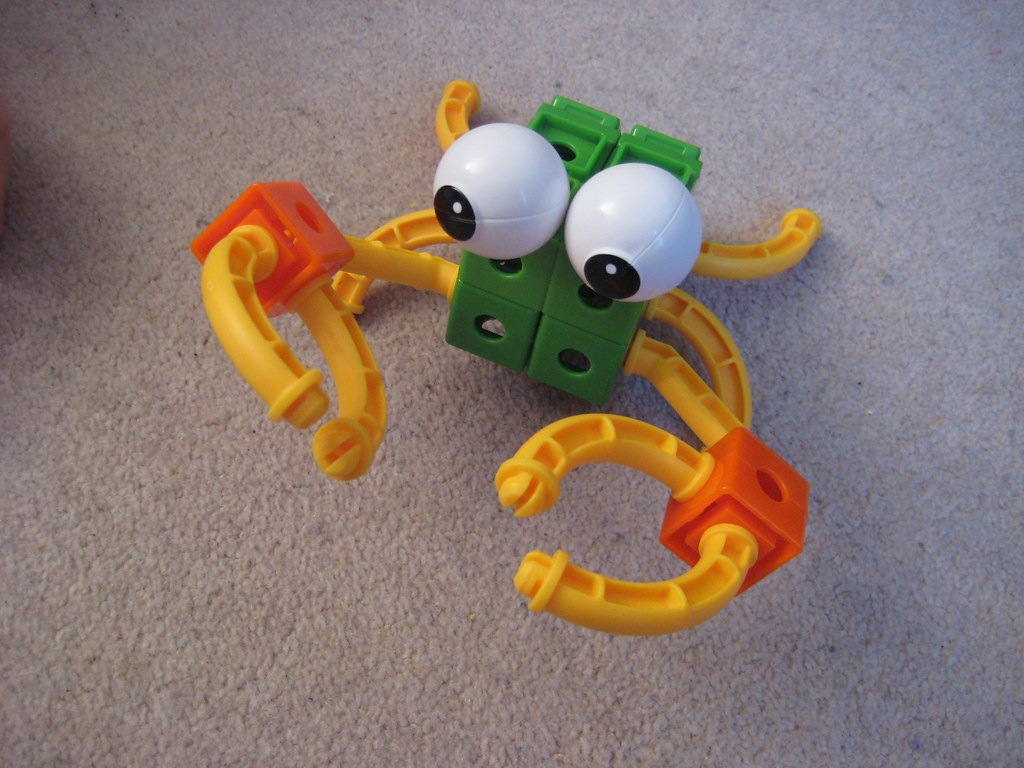
Collaborative toys are designed to encourage teamwork and social interaction. These toys often require multiple participants to engage fully, promoting communication, compromising, and shared problem-solving. They can range from board games and building sets to sports equipment and role-playing kits. The essence of collaborative toys lies in their ability to bring children together.
Benefits of Collaborative Toys
- Enhancing Communication Skills: Engaging with others through play helps children develop essential communication skills. As they negotiate rules or collaborate on building projects, they learn to articulate their thoughts and feelings.
- Developing Empathy: When children play together, they experience diverse points of view. This exposure not only enhances understanding but also fosters empathy as they learn to appreciate the perspectives of their peers.
- Strengthening Problem-Solving Abilities: Collaborative toys often present challenges that require shared responsibility. Children learn to work as a team to find solutions, enhancing their critical thinking and problem-solving skills.
- Building Confidence: Successfully completing a project or game as a team can greatly boost a child’s self-esteem. Collaborative play helps children feel valued and fosters a sense of belonging.
- Encouraging Inclusivity: Many collaborative toys are designed to be inclusive, inviting participation from children of various backgrounds and abilities, promoting a culture of acceptance and friendship.
Current Trends in Collaborative Toy Design
As we progress through 2026, several trends are emerging in the design and functionality of collaborative toys:
- Intergenerational Play: Toys that encourage collaboration among different age groups are gaining popularity. This trend allows children to interact with adults, bridging generational gaps and promoting shared experiences.
- Sustainability Focus: In response to the growing awareness of environmental issues, many toy manufacturers are prioritizing eco-friendly materials and production techniques. Collaborative toys made from sustainable resources promote not only play but also teach children about caring for the planet.
- Customization and Modularity: The ability to customize or build upon existing toys encourages children to collaborate in new ways. Modular collaborative toys allow for endless possibilities, fueling creativity and teamwork.
- Digital Integration: While maintaining the essence of physical play, many collaborative toys are incorporating digital elements. These hybrid toys often come with apps that facilitate communication and offer additional challenges or games to enhance the overall experience.
Examples of Popular Collaborative Toys in 2026
Here are some notable examples of collaborative toys that are making waves this year:
- LEGO’s Collaborative Sets: LEGO continues to evolve by introducing sets designed specifically for group play. These kits encourage teamwork through shared designs and building challenges.
- Board Games: New board games that emphasize cooperation over competition are gaining traction. Games like “Pandemic” and “Forbidden Island” require players to work together to achieve a common goal.
- Outdoor Team Sports Equipment: Products that encourage outdoor play—like multi-user soccer nets or basketball hoops—are particularly popular, as they promote active play in a collaborative environment.
- Creative Craft Kits: Kits that allow for group projects, such as collaborative art pieces or DIY toys, foster creativity while necessitating teamwork.
Bringing Collaborative Toys into Your Home
Introducing collaborative toys into your child’s playtime can be a fun and rewarding experience. Here are some tips on how to effectively incorporate these toys:
- Choose Age-Appropriate Toys: Select toys that match your child’s developmental stage to ensure they can participate fully and enjoy the experience.
- Encourage Group Play: Organize playdates or group activities where children can interact with others. This will give them the opportunity to engage with collaborative toys.
- Model Collaborative Behavior: Participate in play with your child to demonstrate effective communication and teamwork. Your involvement acts as a guide for how to interact with peers.
- Facilitate Discussions: After playtime, encourage discussions about the experience. Ask your child what they learned about teamwork and collaboration.
The Future of Collaborative Toys
As we move forward, the trend toward collaborative toys is set to continue growing. The emphasis on community, social skills, and empathy will further shape the toy industry. Toy manufacturers are likely to invest more in designs that promote these values, ensuring that children not only enjoy playtime but also develop essential life skills.
Conclusion
Collaborative toys are more than just playthings; they are tools for social development and community building. By encouraging teamwork, communication, and empathy, these toys play a crucial role in preparing children for a connected world. In 2026, the importance of collaborative toys will only continue to rise, highlighting the transformative power of play.