The Importance of Selecting the Right Toy
Choosing the right toy for your child is not just about entertainment; it’s about fostering development, creativity, and joy. In 2026, the market is filled with an overwhelming variety of options, making the selection process daunting for many parents. This guide will help you navigate the toy landscape effectively, ensuring that your child receives toys that are not only fun but also beneficial for their growth.
Understanding Developmental Stages
Before diving into the selection process, it’s crucial to understand how toys can cater to various developmental stages. Children evolve rapidly, and their needs change accordingly.
Infants and Toddlers (0-2 years)
- Focus on Sensory Toys: At this stage, babies are exploring through their senses. Look for toys that stimulate sight, sound, and touch, such as soft blocks, rattles, and textured balls.
- Safety is Paramount: Ensure that all toys are free of choking hazards and made from non-toxic materials.
Preschoolers (3-5 years)
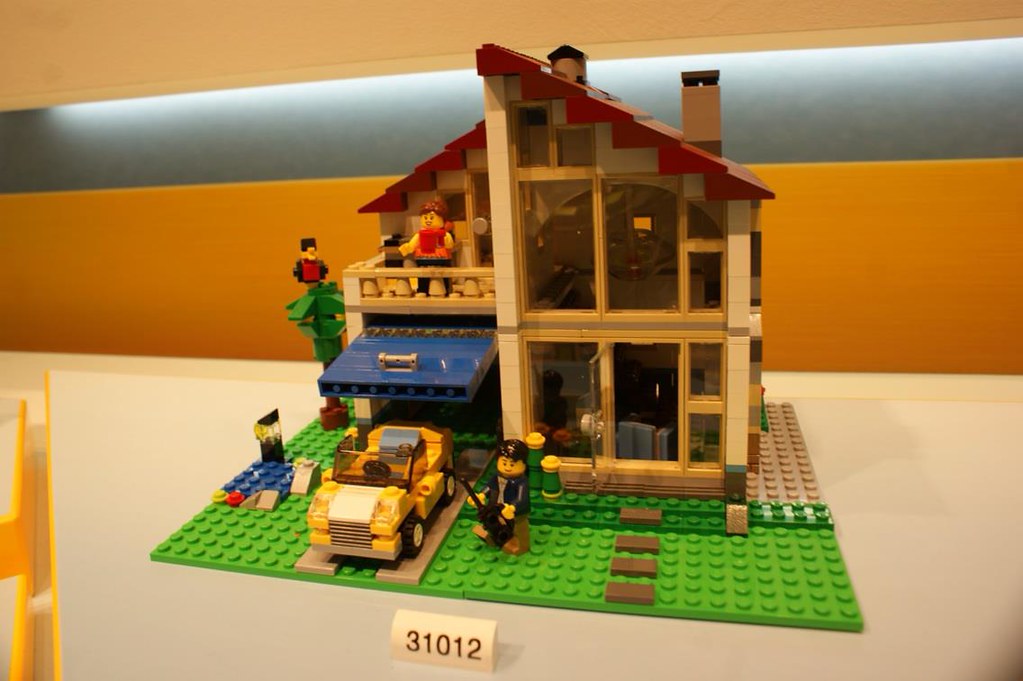
- Encourage Imaginative Play: Toys like dolls, action figures, and building sets can fuel creativity. Role-playing with these toys helps children understand the world around them.
- Balance between Fun and Learning: Look for toys that introduce basic concepts like shapes, colors, and numbers without feeling overly instructional.
School-Aged Children (6-12 years)
- STEM and Educational Toys: As children enter school, their curiosity about the world expands. Toys that promote science, technology, engineering, and math (STEM) are particularly popular and beneficial.
- Collaborative Play: Board games and team-building toys encourage social skills and teamwork. Look for games that require strategy and collaboration.
Current Trends in Toy Selection
Keeping an eye on the latest trends can also guide your purchasing decisions. In 2026, certain themes and innovations in toys stand out.
Eco-Friendly Toys
With increasing awareness about environmental issues, eco-friendly toys made from sustainable materials are gaining traction. Parents are more inclined to invest in toys that contribute positively to the environment.
Inclusive Toys
Inclusivity is at the forefront of toy design. Toys that represent diverse cultures, abilities, and body types help children develop empathy and understanding from an early age.
Personalization and Customization
Toys that can be personalized, such as dolls with customizable outfits or building sets that allow for unique creations, are trending. These options allow children to express their individuality.
Practical Tips for Toy Shopping
Here are some practical tips to consider when shopping for toys:
- Set a Budget: Quality toys can be an investment. Establish a budget to avoid overspending while ensuring you choose good-quality items.
- Research Brands: Look for brands known for quality and safety standards. Reading reviews can also provide insight into a toy’s durability and playability.
- Gift Considerations: For birthdays or holidays, consider gifts that promote creativity over consumerism. Experience-based gifts, like a day at a museum or an art class, can often provide more enduring joy.
Engaging with Children’s Interests
A pivotal part of choosing the right toy is understanding your child’s interests. This can involve observation and conversation.
Talk to Your Child
Engaging your child in discussions about their preferences can lead to a more thoughtful selection. Ask open-ended questions about their favorite activities and shows.
Observation
Pay attention to what captivates your child’s attention. Are they drawn to arts and crafts, building things, or imaginative play? This insight can guide you toward suitable toys.
Conclusion: The Role of Toys in Child Development
In 2026, selecting toys goes beyond mere entertainment; it’s an investment in your child’s future. By understanding developmental needs, staying abreast of trends, and engaging with your child’s interests, you can choose toys that not only entertain but also enrich their lives. Remember, the right toy can inspire creativity, foster learning, and build lasting memories.